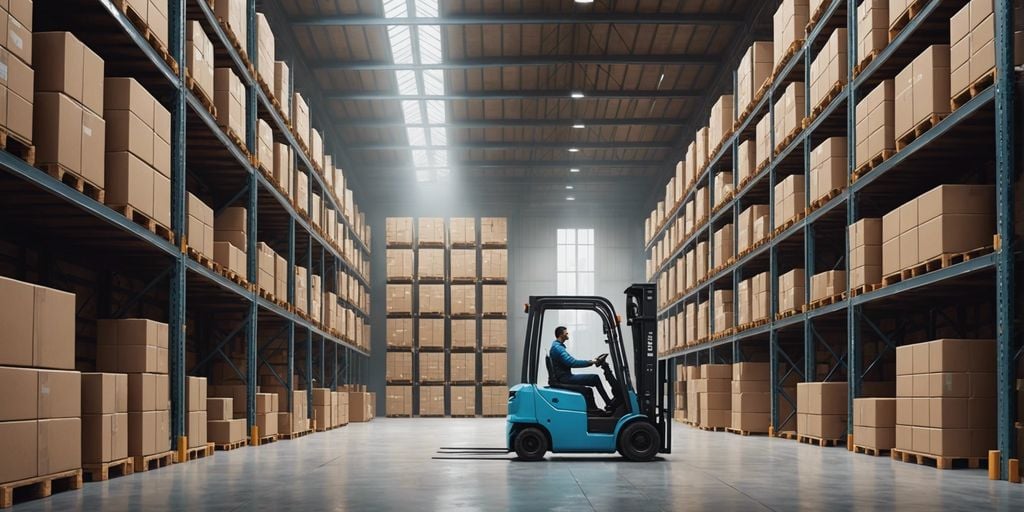



Renting warehouse space for your e-commerce business affects every order you ship. A good space keeps your operation smooth and your customers happy. E-commerce keeps growing, so it pays to know how warehouse leasing works. This guide walks you through the key points.
Key Takeaways
- Know your storage needs before you choose a space.
- Location matters. Think about your suppliers, major highways and local labor.
- Pick a size that fits your stock, your equipment and your growth.
- Choose a layout that is efficient, safe and flexible.
- Weigh technology, automation and cost.
Understanding Your Storage Needs
Start with what you need to store. Count your SKUs, your pallets or cartons, and the weight of your heaviest items. Note how fast each item sells. That sets your order fulfillment needs. Decide if you need cool or secure storage. These facts tell you how much room you need and what features to look for.
Choosing the Right Location
Your warehouse is where you store and ship your products. Its location shapes your costs and your speed. Think about three things.
Distance to your suppliers. Being close to suppliers can cut lead times and freight costs. It also gets product to your customers sooner. Weigh how far the trip is and how easy it is.
Access to major highways. Warehouses near major highways can ship faster and for less. Our Omaha warehouse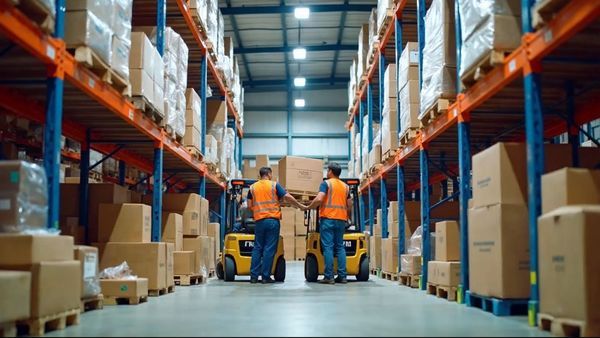 Containers in, pallets outWe load and unload containers and cross-dock freight in Omaha. sits near I-80, so trucks get on and off quickly. Look for easy access, and check the local traffic.
The local labor market. A strong labor market helps you find the workers you need. Check how many people in the area have the skills your work requires.
Location is not just a real estate saying. It is a key factor in how well your e-commerce business runs.
Evaluating Warehouse Size
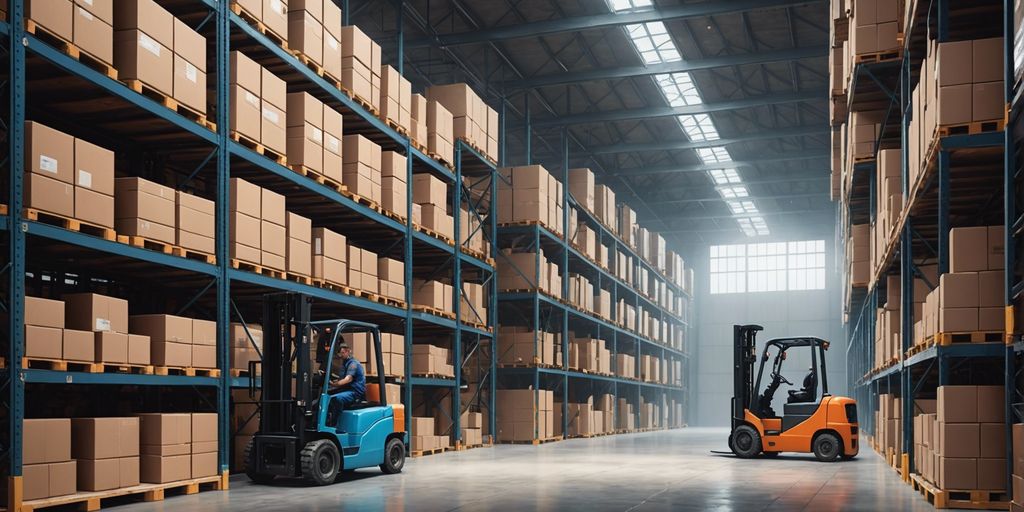
When you pick a warehouse for your online store, size matters. The space must fit your needs now and later. Count your current storage needs. Then add the growth you expect. If you store goods on pallets, count the positions you need for pallet storage, today and next year.
Considering Warehouse Layout
Warehouse layout should be a factor in your decision. The layout should match how you want to work. Some warehouses keep storage on one side and shipping on the other. Others keep everything in one place. These choices change the speed of your operation.
Technology and Automation
Inventory Management Systems
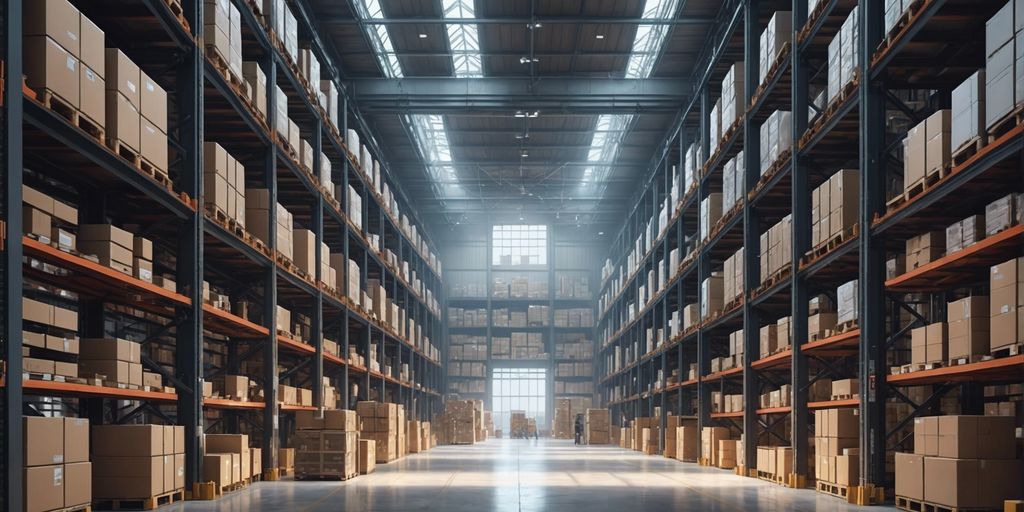
Software that runs your warehouse is a must for e-commerce. It gives you a clear view of operations, so you can plan and decide with facts. It also shows trends and past patterns, which helps you prepare for busy and slow periods. Ours is a cloud-based warehouse management system (WMS) from 3PL Central (Extensiv), and it shows real-time inventory from any device.
Automated Picking Solutions
Automated picking can cut waste in the warehouse. These systems use AI to store products and fill orders with little human help. That speeds up work and can lower labor costs. We pick orders with RF-driven wireless barcode scanners.
Integration with E-commerce Platforms
Link your warehouse systems to your online store. Then you get real-time updates on stock levels, order status and shipping. That makes the process faster for your team and clearer for your customers. Our system also produces inventory reports.
Automating manual work helps an online business build a supply chain that adapts and earns more.
Cost Factors to Consider
Know your costs before you sign. A clear budget saves you from surprise bills. Compare lease terms, utility costs and maintenance fees. Then add handling and shipping.
Security Measures
Your inventory is your cash. Look for a warehouse with video surveillance throughout the building. We have a surveillance camera system in all of our facilities.
Check access control too. Good warehouses limit who can enter the storage area, with coded gates or alarms. That lowers the risk of theft and unauthorized entry.
Ask about insurance for your stored goods. Many warehouses offer programs that cover damage or theft up to a set amount. Read the terms, and choose coverage that fits your inventory. We carry insurance coverage at our Omaha warehouseContainers in, pallets outWe load and unload containers and cross-dock freight in Omaha., so call our office for the details. Ask what the policy leaves out, and who files a claim.
Security is not only about protecting inventory. It also gives you peace of mind that your business assets are safe.
Negotiating Lease Agreements
Understanding Lease Terms
A strong lease protects your business for years. Understand every term before you sign. Review the lease with your broker, and think about hiring a real estate attorney to explain legal language. If you do not want a long lease, our contract warehousing has flexible month-to-month terms with no minimums.
Negotiation Tips
After you tour properties and pick one, it is time to negotiate. These tips can help you win better terms.
- Put your interests first: Work with your broker on a plan that puts your needs first.
- Use market knowledge: Your broker can use market data to negotiate better rent, lease length and renewal options.
- Ask for improvement allowances: Negotiate a tenant improvement allowance so you can fit the space to your needs.
Legal Considerations
Once you agree on the main points, your broker reviews the lease with you. The broker explains complex language and checks that every agreed term is in the document. Then finish the paperwork and due diligence, such as environmental reports and insurance. When you are ready to compare terms, ask us for a warehousing quote.
Before move-in, read the lease one final time to be sure it reflects every term you agreed to.
Sustainability and Environmental Impact

Think about the sustainability and environmental impact of your operation. Prioritizing eco-friendly practices helps the planet. It can also improve your brand and cut long-term costs.
Working with 3PL Providers
Benefits of 3PLs
A 3PL provider handles storage, shipping and more for you. It can streamline your e-commerce work. You avoid the up-front cost of setting up your own warehouse. A 3PL also helps you reach a wider market at a fair cost. It handles warehousing, inventory management and filling orders, so you can focus on growth.
Choosing the Right 3PL
Pick your third-party logistics (3PL) partner with care. Look at its experience in your industry and the services it offers. Check its technology. Ask about its reach and how well it works with your systems.
Cost Implications
A 3PL can save you money over time, but learn the cost structure first. Costs usually include storage, handling and shipping. Ask for a detailed breakdown so nothing surprises you.
With a 3PL, one partner can manage your whole logistics process, including warehousing, inventory management and filling orders.
Here is a quick look at the main costs.
| Cost Type | Description |
|---|---|
| Storage Fees | Charges for storing your inventory |
| Handling Fees | Costs for pick and pack and processing orders |
| Shipping Costs | Expenses for delivering orders to customers |
Knowing these costs helps you pick the right 3PL.
Preparing for Seasonal Fluctuations
Managing Peak Seasons
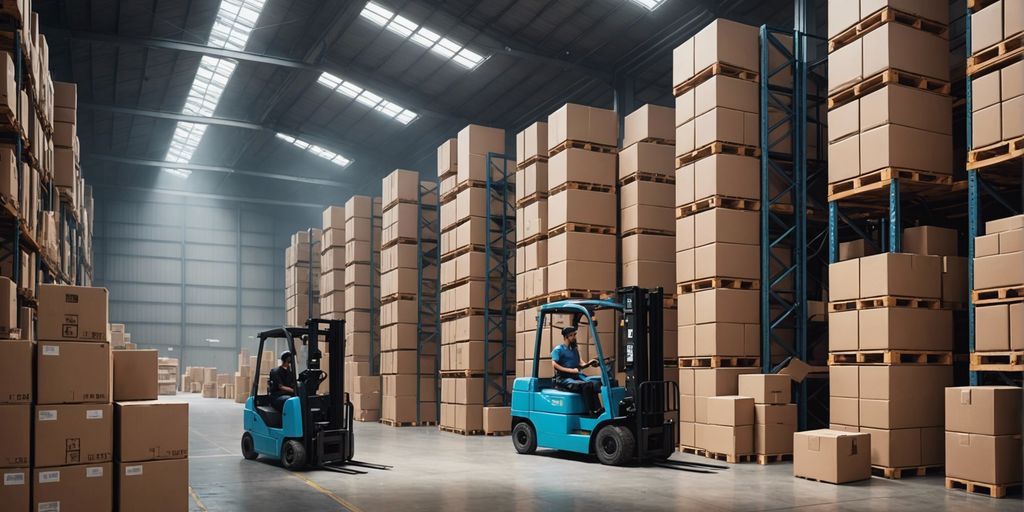
Order volume can jump during holidays. Plan ahead so you have enough space and staff. Choose flexible storage that scales up or down. We offer contract, seasonal and overflow storage.
Temporary Storage Solutions
Temporary space can be a lifesaver in peak season, and it is quick to add. Short-term leases give you extra room without a long commitment. That keeps costs in check while you meet demand. We offer public warehousing for this.
Staffing Adjustments
Busy seasons also change your staffing needs. Hire temporary staff or cross-train the staff you have, and write the plan down. Plan well ahead to avoid last-minute scrambles.
Flexible storage and flexible staffing are the keys to a busy season. Good planning lets you meet demand without stress, even in the busiest week.
Final Thoughts
Renting warehouse space is a big step, so plan it. Know your needs, compare your options and weigh location, size and inventory systems. A well-chosen warehouse streamlines your operation and helps your business grow.
Want to talk it through? Call our Omaha warehouseContainers in, pallets outWe load and unload containers and cross-dock freight in Omaha. team at (402) 339-9993, Monday to Friday, 8:00 am to 4:30 pm CT.
Frequently Asked Questions
Why is it so hard to find warehouse space?
Demand for online goods has grown, and space has not kept pace. A strained supply chain makes it harder still.
How do you organize an e-commerce warehouse?
Start with inventory control. Use space well, and add tools such as automated picking.
What key things should I look for in a good e-commerce warehouse?
Look for room to grow, a smart location and the right setup for your inventory and operations.
How can I maximize warehouse efficiency for my e-commerce business?
Use good warehouse management practices and technology for inventory tracking. Lay out the building so work flows smoothly.
What are the benefits of using a 3PL?
You can save money, scale up or down and tap expert help. Your supply chain also runs more smoothly.
How do I choose the right location for my warehouse?
Weigh your suppliers, major highways and the local labor market. These cut freight costs and keep labor steady.
What should I consider when evaluating warehouse size?
Consider room for stock, room for equipment and room to grow. Then your warehouse fits now and later.
What are some cost factors to consider when renting a warehouse?
Look at lease terms, utility costs and maintenance fees. Knowing them up front helps you budget and avoid surprise costs.